Introduction
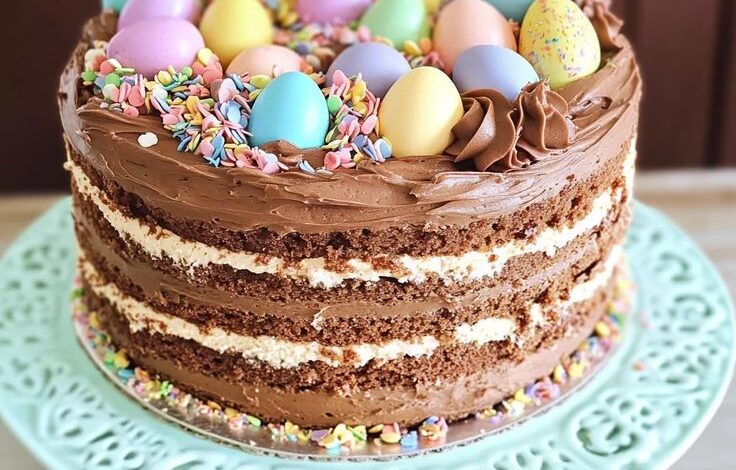
Easter Egg Layer Cake is a festive and colorful dessert that’s perfect for celebrating spring holidays. This cake features fluffy layers of vanilla sponge, creamy frosting, and is decorated with pastel-colored Easter eggs or candy for a cheerful presentation.
What makes this cake special is its fun, layered look and light, airy texture. It’s simple enough for beginner bakers but impressive enough to serve at family gatherings or Easter brunch. The combination of soft cake, creamy frosting, and sweet decorations makes it a crowd favorite.
This recipe is versatile—you can use your favorite frosting, add fruit between layers, or even make it gluten-free.
Cooking Time & Prep Time
- Prep Time: 25 minutes
- Baking Time: 20–25 minutes per layer
- Assembly Time: 15 minutes
- Total Time: 1 hour 20 minutes
- Servings: 12–16 slices
Tip: Allow the cake layers to cool completely before frosting to avoid melting the frosting.
Ingredients
For the Cake
- 2½ cups all-purpose flour
- 2½ teaspoons baking powder
- ½ teaspoon salt
- ¾ cup unsalted butter, softened
- 2 cups granulated sugar
- 4 large eggs
- 1 tablespoon vanilla extract
- 1 cup whole milk
For the Frosting
- 1 cup unsalted butter, softened
- 4 cups powdered sugar
- 2 teaspoons vanilla extract
- 3–4 tablespoons milk or cream
For Decoration
- Mini pastel chocolate Easter eggs or candy
- Optional: pastel-colored sprinkles
Tip: Use room temperature butter and eggs for a smoother batter.
Step-by-Step Instructions
Step 1: Preheat the Oven
Preheat your oven to 350°F (175°C).
Grease and flour two 9-inch round cake pans, or line with parchment paper.
Step 2: Mix Dry Ingredients
In a medium bowl, whisk together flour, baking powder, and salt. Set aside.
Step 3: Cream Butter and Sugar
In a large bowl, beat the softened butter with sugar until light and fluffy, about 3–4 minutes.
Add eggs, one at a time, mixing well after each. Stir in vanilla extract.
Tip: Creaming butter and sugar well makes the cake light and airy.
Step 4: Combine Dry and Wet Ingredients
Add the flour mixture in three parts, alternating with milk, beginning and ending with flour.
Mix until just combined. Do not overmix.
Step 5: Bake the Cake Layers
Divide the batter evenly between the prepared pans.
Bake for 20–25 minutes, or until a toothpick inserted in the center comes out clean.
Let cakes cool in the pans for 10 minutes, then remove and cool completely on a wire rack.
Tip: Level the tops with a knife if needed for even layers.
Step 6: Prepare the Frosting
In a large bowl, beat butter until creamy.
Gradually add powdered sugar, one cup at a time, mixing well.
Add vanilla and 3–4 tablespoons of milk or cream until smooth and spreadable.
Step 7: Assemble the Cake
Place one cake layer on a serving plate. Spread a thick layer of frosting on top.
Place the second cake layer on top and frost the top and sides of the cake evenly.
Tip: Chill the cake for 15 minutes before decorating to make frosting easier to work with.
Step 8: Decorate
Place mini pastel chocolate eggs on top of the cake.
Add sprinkles or other Easter decorations as desired.
Tip: You can pipe frosting rosettes around the top edge to make the decoration more festive.
Tips & Variations
- Gluten-free: Use a 1-to-1 gluten-free flour blend.
- Chocolate version: Add ¼ cup cocoa powder to the flour for a chocolate layer.
- Fruit filling: Add sliced strawberries, raspberries, or blueberries between layers.
- Vegan option: Use plant-based milk, vegan butter, and egg replacer.
- Flavor twist: Add almond extract or orange zest to the batter for a special touch.
Small tip: Make the cake a day ahead and refrigerate. It will slice more easily and flavors will meld.
Nutritional Information
Approximate nutrition per slice (1/12 of cake without candy decorations):
- Calories: 350
- Protein: 5 g
- Carbohydrates: 50 g
- Fat: 15 g
- Fiber: 1 g
- Sugar: 32 g
Values may vary depending on frosting thickness and decorations.
Health Benefits
- Protein: Eggs provide protein for energy.
- Calcium: Milk and butter add calcium for strong bones.
- Mood booster: Sharing a sweet, colorful dessert can increase enjoyment and celebration.
Tip: Use lighter frosting or Greek yogurt-based frosting for a slightly healthier version.
Serving Suggestions
- Serve slices with fresh berries or fruit compote.
- Pair with coffee, tea, or a glass of milk.
- Store leftovers in an airtight container in the fridge for up to 3 days.
- Slice into smaller pieces for a brunch buffet or party platter.
Tip: Warm slightly before serving for a soft, fresh-from-the-oven texture.
Conclusion
Easter Egg Layer Cake is a festive, colorful, and delicious dessert that’s perfect for celebrating the holiday. Its soft cake layers, creamy frosting, and fun Easter egg decorations make it a showstopper on any table.
This recipe is simple, versatile, and can be adapted for different dietary needs or flavor preferences. With a few easy steps, you can create a beautiful, homemade cake that will impress family and friends.
Try making Easter Egg Layer Cake this season—it’s a sweet, joyful treat that brings the spirit of spring to your table.
Helpful Cooking Tools
Easter Egg Layer Cake
Introduction Easter Egg Layer Cake is a festive and colorful dessert that’s perfect for celebrating spring holidays. This cake features fluffy layers of vanilla sponge, creamy frosting, and is decorated...