Introduction
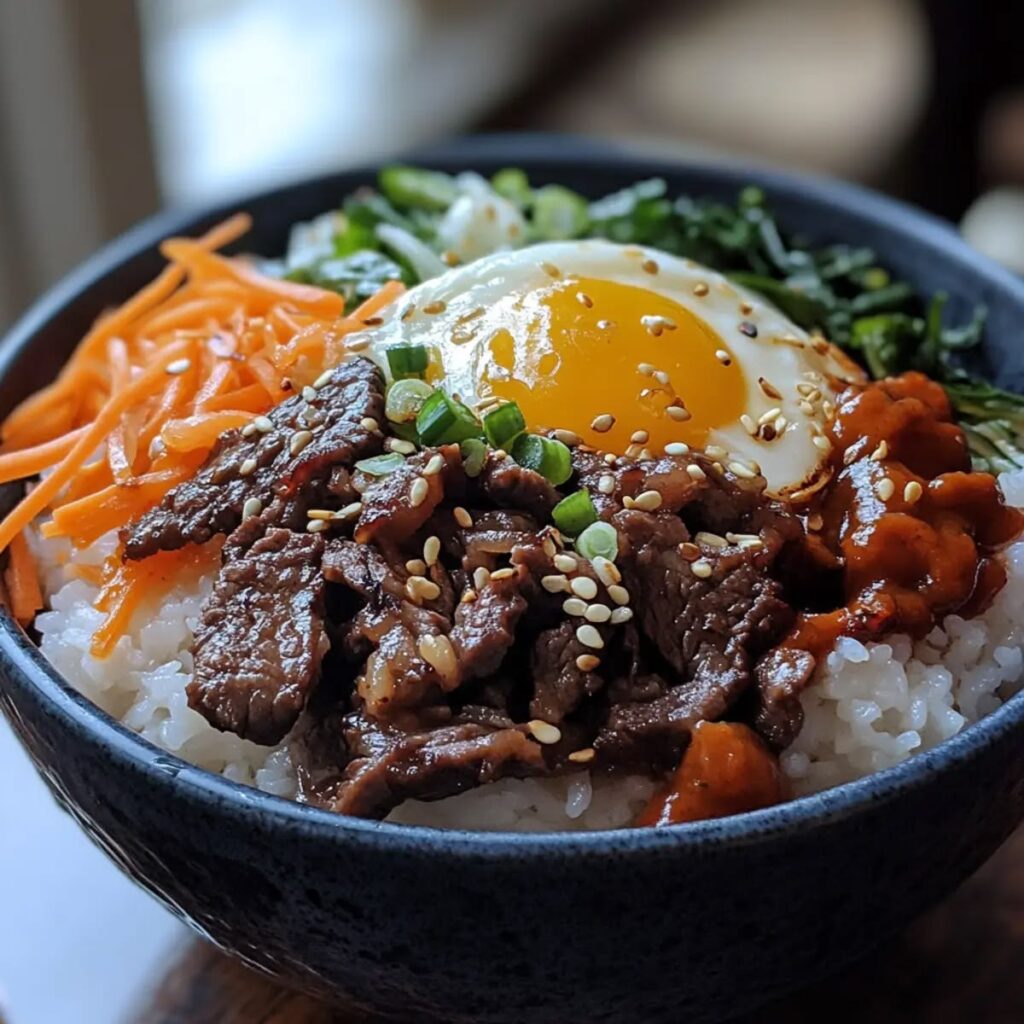
Beef Bibimbap is a colorful and flavorful Korean rice bowl that many people enjoy around the world. The word bibimbap means “mixed rice.” This dish includes warm rice topped with seasoned beef, vegetables, a fried egg, and a spicy sauce. Before eating, everything is mixed together to create a delicious combination of flavors.
One of the reasons bibimbap is so popular is its balance of ingredients. It usually includes rice, protein, fresh vegetables, and flavorful sauce. Each bite can taste slightly different depending on how the ingredients mix together.
Another great thing about Beef Bibimbap is its flexibility. You can change the vegetables or adjust the spice level based on your taste. It is also a great way to use leftover vegetables from the refrigerator.
Even though this dish may look impressive, it is simple to make at home. With a little preparation and a few easy cooking steps, you can create a beautiful and satisfying meal.
Cooking Time & Prep Time
- Prep Time: 20 minutes
- Cooking Time: 20 minutes
- Total Time: About 40 minutes
- Servings: 4 bowls
Tip: Preparing all the vegetables before cooking helps the recipe come together faster.
Ingredients
For the Beef
- ½ pound (225 g) thinly sliced beef (such as sirloin or ribeye)
- 1 tablespoon soy sauce
- 1 teaspoon sesame oil
- 1 teaspoon sugar
- 1 clove garlic, minced
For the Rice
- 2 cups cooked white rice or jasmine rice
For the Vegetables
- 1 cup spinach
- 1 cup shredded carrots
- 1 cup sliced cucumber
- 1 cup bean sprouts
- ½ cup mushrooms, sliced
- 1 tablespoon sesame oil
For the Eggs
- 4 eggs
For the Bibimbap Sauce
- 2 tablespoons gochujang (Korean chili paste)
- 1 tablespoon sesame oil
- 1 teaspoon sugar
- 1 teaspoon rice vinegar
- 1 teaspoon water
Optional toppings:
- Sesame seeds
- Sliced green onions
- Kimchi
Tip: Using thin slices of beef helps it cook quickly and stay tender.
Step-by-Step Instructions
Step 1: Cook the Rice
Prepare the rice according to the package instructions.
Once cooked, keep the rice warm.
Fluff it with a fork so it becomes light and soft.
Tip: Slightly sticky rice works best because it holds the toppings well.
Step 2: Marinate the Beef
Place the sliced beef in a bowl.
Add the soy sauce, sesame oil, sugar, and minced garlic.
Mix gently so the beef is evenly coated.
Let the beef marinate for about 10 minutes.
This helps add flavor to the meat.
Step 3: Prepare the Vegetables
Wash and prepare the vegetables.
Lightly sauté the mushrooms in a small pan with a little sesame oil for 2–3 minutes.
Blanch the spinach and bean sprouts in hot water for about 1 minute, then drain them.
Slice the cucumber and shred the carrots.
Place each vegetable in separate small bowls.
Tip: Keeping the vegetables separate helps create the colorful look of bibimbap.
Step 4: Cook the Beef
Heat a skillet over medium-high heat.
Add the marinated beef to the pan.
Cook for about 3–4 minutes, stirring occasionally, until the beef is fully cooked.
Remove the beef from the heat.
Step 5: Fry the Eggs
In a clean pan, cook the eggs one at a time.
Cook them sunny-side up so the yolk stays soft.
The runny yolk adds richness when mixed into the rice.
Step 6: Make the Bibimbap Sauce
In a small bowl, mix the gochujang, sesame oil, sugar, rice vinegar, and water.
Stir until smooth.
Taste and adjust the spice level if needed.
Tip: Add a little more water if the sauce is too thick.
Step 7: Assemble the Bibimbap Bowls
Divide the warm rice evenly among four bowls.
Arrange the vegetables around the rice in sections.
Add the cooked beef to one side of the bowl.
Place a fried egg in the center.
Drizzle a spoonful of bibimbap sauce over the top.
Sprinkle sesame seeds and green onions if desired.
Step 8: Mix Before Eating
Before eating, mix all the ingredients together in the bowl.
This combines the rice, vegetables, beef, and sauce for full flavor.
Tips & Variations
Bibimbap is very flexible and easy to customize.
Vegetarian option:
Replace beef with tofu or mushrooms.
Vegan version:
Use tofu and skip the egg.
Gluten-free option:
Use gluten-free soy sauce or tamari.
Extra vegetables:
Add zucchini, cabbage, or bell peppers.
Mild version:
Use less gochujang or mix it with a little honey.
Small tip: A drizzle of extra sesame oil before serving adds a wonderful aroma.
Nutritional Information
Approximate nutrition per serving:
- Calories: 420
- Protein: 22 g
- Carbohydrates: 48 g
- Fat: 15 g
- Fiber: 4 g
- Sugar: 6 g
Values may vary depending on ingredients used.
Health Benefits
Beef Bibimbap contains many ingredients that support a balanced diet.
Beef provides protein, iron, and vitamin B12, which help support energy and muscle health.
Vegetables such as carrots, spinach, and bean sprouts provide fiber, vitamins, and antioxidants.
Rice provides carbohydrates that give the body energy.
Sesame oil contains healthy fats that support heart health.
Because the dish contains protein, vegetables, and grains, it is a well-balanced meal.
Serving Suggestions
Beef Bibimbap is often served as a main meal.
It pairs well with simple Korean side dishes such as:
- Kimchi
- Pickled vegetables
- Seaweed salad
- Miso or soybean soup
The dish is best served warm and freshly prepared.
If you have leftovers, store the rice, beef, and vegetables separately in the refrigerator for up to 2 days.
Reheat the rice and beef before assembling the bowl again.
Tip: Add a fresh egg when reheating for the best flavor.
Conclusion
Beef Bibimbap is a flavorful and colorful dish that brings together rice, vegetables, beef, and a delicious spicy sauce. The combination of textures and flavors makes every bite exciting and satisfying.
This dish may look complex, but it is simple to prepare with a little planning. It is also very flexible, allowing you to change ingredients based on your taste.
Try making Beef Bibimbap at home and enjoy a fresh, healthy meal that is both beautiful and delicious. Share it with family or friends, and it may quickly become one of your favorite rice bowl recipes.
Helpful Cooking Tools
Beef Bibimbap
Introduction Beef Bibimbap is a colorful and flavorful Korean rice bowl that many people enjoy around the world. The word bibimbap means “mixed rice.” This dish includes warm rice topped...