Introduction
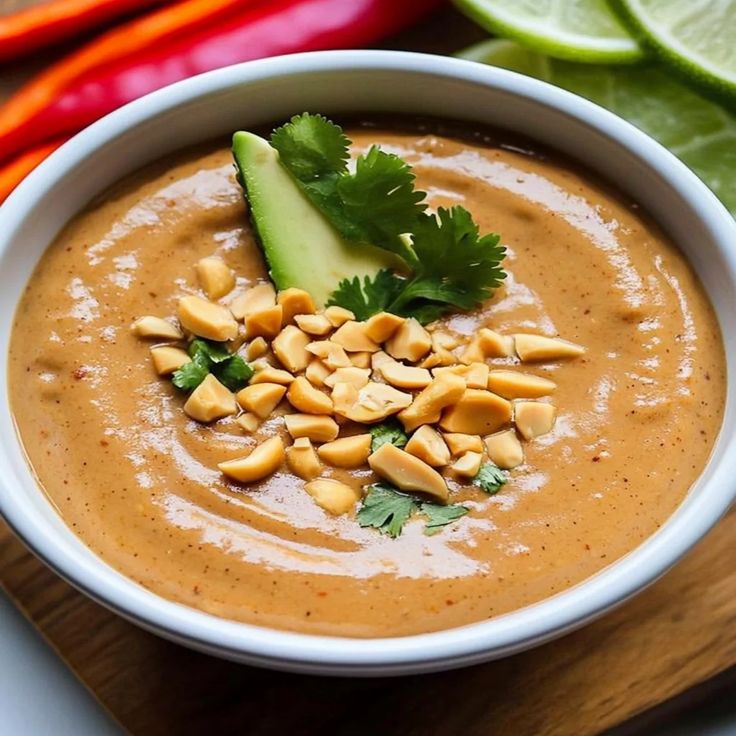
Easy Thai Peanut Sauce is one of those recipes that quickly becomes a favorite in any kitchen. It is creamy, rich, slightly sweet, a little salty, and gently tangy all at the same time. The best part is that it takes only a few minutes to make and uses simple ingredients you may already have at home.
This sauce is popular because it works with many foods. You can pour it over noodles, use it as a dip for vegetables, drizzle it on grilled chicken, or serve it with rice bowls. Even picky eaters often love peanut sauce because of its smooth texture and balanced flavor.
Another great thing about this recipe is flexibility. You can make it spicy or mild, thick or thin, sweet or savory. Beginners can easily follow the steps, and experienced cooks can adjust it to match their taste.
Let’s learn how to make a smooth, flavorful Thai peanut sauce that tastes like it came from a restaurant — but is much easier and faster to prepare.
Cooking Time & Prep Time
- Prep Time: 5–10 minutes
- Cooking Time: 5 minutes (optional gentle heating)
- Total Time: About 10–15 minutes
This is mostly a mixing recipe, so you do not need advanced cooking skills or special equipment.
Ingredients
Here are the ingredients for about 4 servings of peanut sauce:
- ½ cup creamy peanut butter (natural or regular)
- 2 tablespoons soy sauce (or tamari for gluten-free option)
- 1 tablespoon lime juice (fresh is best)
- 1 tablespoon brown sugar or honey
- 1 teaspoon rice vinegar
- 1 teaspoon grated fresh ginger (or ½ teaspoon ground ginger)
- 1 clove garlic, minced (or ½ teaspoon garlic powder)
- ½ teaspoon chili flakes or chili paste (optional, for heat)
- ½ cup warm water or coconut milk (adjust for thickness)
- 1 teaspoon sesame oil (optional but recommended)
Small Tip: If your peanut butter is very thick, warm it slightly so it mixes more easily.
Step-by-Step Instructions
Step 1: Prepare Your Ingredients
Measure all ingredients before you start mixing. This makes the process smooth and quick. Mince the garlic and grate the ginger finely so they blend well into the sauce.
Step 2: Add Peanut Butter to a Bowl
Place the peanut butter in a medium mixing bowl. Use a bowl with enough space so you can stir comfortably.
Peanut butter is the base of the sauce, so choose one you enjoy eating on its own.
Step 3: Add the Liquid Ingredients
Pour in the soy sauce, lime juice, rice vinegar, and sesame oil. These ingredients create the salty and tangy flavor that balances the richness of the peanuts.
Start stirring slowly. The mixture may look thick or separated at first — this is normal.
Step 4: Add Sweetness
Mix in the brown sugar or honey. Thai peanut sauce usually has a gentle sweetness that balances the salty and sour flavors.
Taste a small amount. If you like sweeter sauces, you can add another teaspoon later.
Step 5: Add Garlic, Ginger, and Chili
Stir in the garlic, ginger, and chili flakes or paste. These ingredients give the sauce its warm and slightly spicy character.
Beginner Tip: Add chili slowly. You can always add more spice, but it is hard to remove once added.
Step 6: Slowly Add Warm Water or Coconut Milk
Pour in warm water (or coconut milk) a little at a time while stirring continuously.
You will notice the sauce becoming smooth and creamy. Continue adding liquid until you reach your preferred thickness.
- Less liquid = thick dipping sauce
- More liquid = pourable noodle sauce
Step 7: Mix Until Smooth
Whisk or stir well until the sauce looks silky and fully combined. There should be no lumps.
If the sauce feels too thick, add one tablespoon of water at a time.
Step 8 (Optional): Warm the Sauce
For extra smooth texture, gently heat the sauce in a small pan over low heat for 2–3 minutes. Stir constantly.
Do not boil the sauce. Gentle heat helps the flavors blend together.
Step 9: Taste and Adjust
Taste your peanut sauce and adjust:
- Add lime juice for more brightness
- Add sugar for sweetness
- Add soy sauce for saltiness
- Add chili for heat
Cooking is about balance, so adjust slowly.
Tips & Variations
One reason people love Thai peanut sauce is how easy it is to customize.
Make It Vegan
Use maple syrup or brown sugar instead of honey. All other ingredients are naturally plant-based.
Make It Gluten-Free
Replace soy sauce with tamari or coconut aminos.
Make It Spicier
Add:
- Sriracha sauce
- Extra chili flakes
- Fresh chopped chili peppers
Make It Mild
Skip chili completely. The sauce will still be flavorful and kid-friendly.
Creamier Version
Use coconut milk instead of water. This adds richness and a gentle tropical flavor.
Nut Alternatives
If someone has a peanut allergy, try:
- Almond butter
- Sunflower seed butter
- Cashew butter
Each creates a slightly different but delicious sauce.
Thicker Dip
Use less liquid for dipping spring rolls or vegetables.
Thinner Dressing
Add extra water or lime juice to turn the sauce into a salad dressing.
Nutritional Information (Approximate)
Per serving (about 2 tablespoons):
- Calories: 160–180 kcal
- Protein: 6–7 g
- Carbohydrates: 7–9 g
- Fat: 13–14 g
- Fiber: 2 g
- Sugar: 3–4 g
Values may vary depending on ingredients used.
Health Benefits
Although peanut sauce tastes rich and indulgent, it also offers several nutritional benefits when enjoyed in moderation.
1. Good Source of Plant Protein
Peanut butter contains protein, which helps build and repair muscles. This makes the sauce filling and satisfying.
2. Healthy Fats
Peanuts provide healthy unsaturated fats. These fats support heart health and help keep you full longer.
3. Energy Boost
The mix of fats, protein, and carbohydrates gives steady energy. This makes peanut sauce a great addition to lunch or dinner meals.
4. Ginger and Garlic Benefits
Ginger and garlic are known for supporting digestion and immune health. Even small amounts add both flavor and wellness benefits.
5. Customizable Nutrition
Because you control the ingredients, you can reduce sugar, lower sodium, or add more fresh lime for a lighter version.
Helpful Tip: Pair peanut sauce with vegetables or lean proteins to create a balanced meal.
Serving Suggestions
Easy Thai Peanut Sauce is extremely versatile. Here are some delicious ways to enjoy it:
As a Dip
Serve with:
- Fresh cucumber slices
- Carrot sticks
- Bell peppers
- Spring rolls
- Grilled skewers
With Noodles
Toss warm noodles with peanut sauce for a quick meal. Add vegetables or tofu for extra nutrition.
Rice Bowls
Drizzle over rice with roasted vegetables, chicken, shrimp, or tofu.
Salad Dressing
Thin the sauce slightly and pour over cabbage or noodle salads.
Sandwich Spread
Use it as a flavorful spread in wraps or sandwiches for a creamy twist.
Storing Leftovers
- Store in an airtight container in the refrigerator.
- Keeps well for up to 5 days.
- The sauce will thicken when cold — this is normal.
To reuse:
- Add a little warm water.
- Stir until smooth again.
You can also gently warm it in a pan or microwave for a few seconds.
Freezing Tip: Peanut sauce can be frozen for up to 2 months. Thaw overnight in the refrigerator and stir well before using.
Conclusion
Easy Thai Peanut Sauce is proof that simple recipes can create big flavor. With only a few ingredients and just minutes of preparation, you can make a creamy, balanced sauce that works with many meals. It is beginner-friendly, flexible, and easy to adjust for different diets and tastes.
Whether you use it as a dip, dressing, or noodle sauce, this recipe brings comfort and excitement to everyday cooking. Try it once, and you may find yourself making it again and again.
Share it with family, serve it at gatherings, or keep a jar ready in your fridge for quick meals during busy days. Cooking at home becomes more enjoyable when recipes are this easy — and this delicious.
Happy cooking!
Helpful Cooking Tools
Easy Thai Peanut Sauce
Introduction Easy Thai Peanut Sauce is one of those recipes that quickly becomes a favorite in any kitchen. It is creamy, rich, slightly sweet, a little salty, and gently tangy...